OUR HISTORY

OUR ROOTS

For centuries, the lands that will form the Hluhluwe iMfolozi Conservancy held deep cultural, ecological, and historical significance within the Zulu Kingdom.

Long before formal conservation boundaries existed, this wilderness was recognised as royal hunting ground under King Shaka Zulu.

The region was carefully protected and reserved for royal use, reflecting an early understanding of the importance of safeguarding wildlife and natural resources.

OUR RELICS

Throughout the wilderness areas of the conservancy, remnants of this history can still be found today.

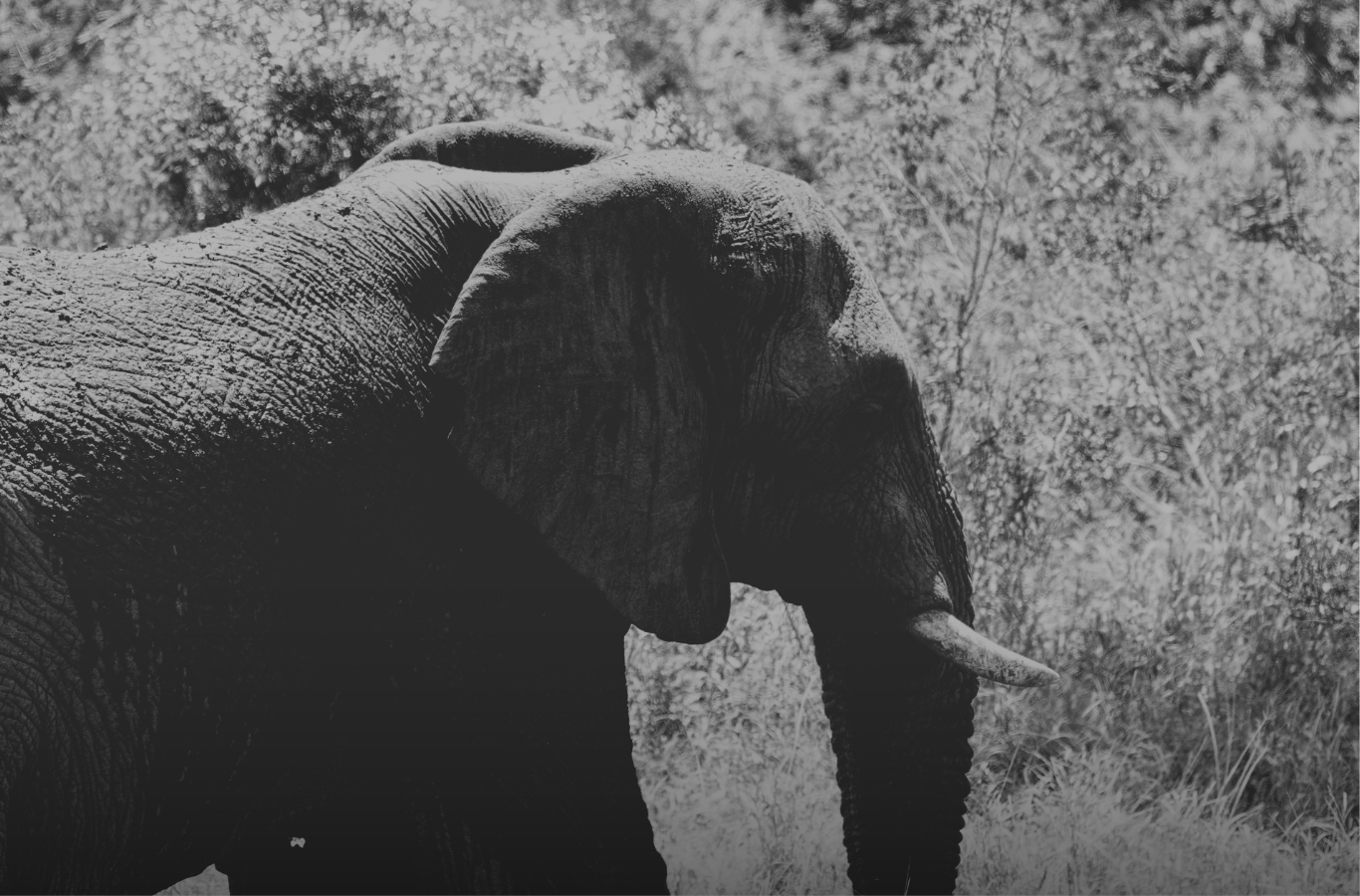
Ancient elephant trapping pits, now softened by time and nature, remain visible in parts of the landscape.

These pits are believed to have been used during organised royal hunts, offering a rare and tangible connection to the traditions and practices of the Zulu Kingdom.

OUR LEGACY

This rich heritage forms an important part of the story of Hluhluwe iMfolozi.

While the area is globally recognised today for its conservation legacy and role in protecting endangered species such as the white rhino, its origins are rooted in a far older tradition of stewardship, leadership, and respect for the natural world.

OUR PRESENT

The Hluhluwe iMfolozi Conservancy therefore stands not only as a sanctuary for wildlife, but also as a living cultural landscape , one where conservation, history, and community remain deeply intertwined.